

How Do Vein Doctors Diagnose and Treat Varicose Veins?
Varicose veins are a common circulation problem that affects people of different ages. These enlarged, twisted veins usually appear on the legs and may cause pain, swelling, heaviness, or discomfort. Although some people consider varicose veins a cosmetic concern, they can also indicate an underlying condition called chronic venous insufficiency.
Professional Vein Doctors help patients identify the causes of varicose veins and recommend suitable treatments. With modern diagnostic tools and minimally invasive procedures, specialists can improve circulation, reduce uncomfortable symptoms, and support long-term vein health.
Understanding how doctors diagnose and treat varicose veins can help patients make informed decisions about their care.
What Causes Varicose Veins to Develop?
Varicose veins develop when the tiny valves inside the veins stop functioning properly. Healthy valves allow blood to move toward the heart and prevent it from flowing backward. When these valves weaken, blood collects inside the veins, increasing pressure and causing them to enlarge.
Several factors can increase the likelihood of developing varicose veins, including genetics, aging, pregnancy, obesity, and prolonged standing or sitting.
People with varicose veins may experience aching legs, visible bulging veins, swelling around the ankles, itching, or skin discoloration. Symptoms often become more noticeable after long periods of standing.
Early medical evaluation helps identify circulation problems before they cause additional complications.
How Do Vein Doctors Diagnose Varicose Veins?
Vein Doctors begin the diagnostic process by reviewing the patient’s medical history and discussing their symptoms. They ask about pain, swelling, family history, previous blood clots, and daily activities that may affect circulation.
Next, specialists conduct a physical examination to identify swollen veins, skin changes, and other signs of venous insufficiency.
Doctors often examine the legs while patients stand because this position makes enlarged veins easier to identify.
However, a physical examination alone may not reveal the full extent of the problem. Specialists frequently recommend diagnostic imaging to evaluate how blood moves through the veins.
Why Do Vein Specialists Use Duplex Ultrasound?
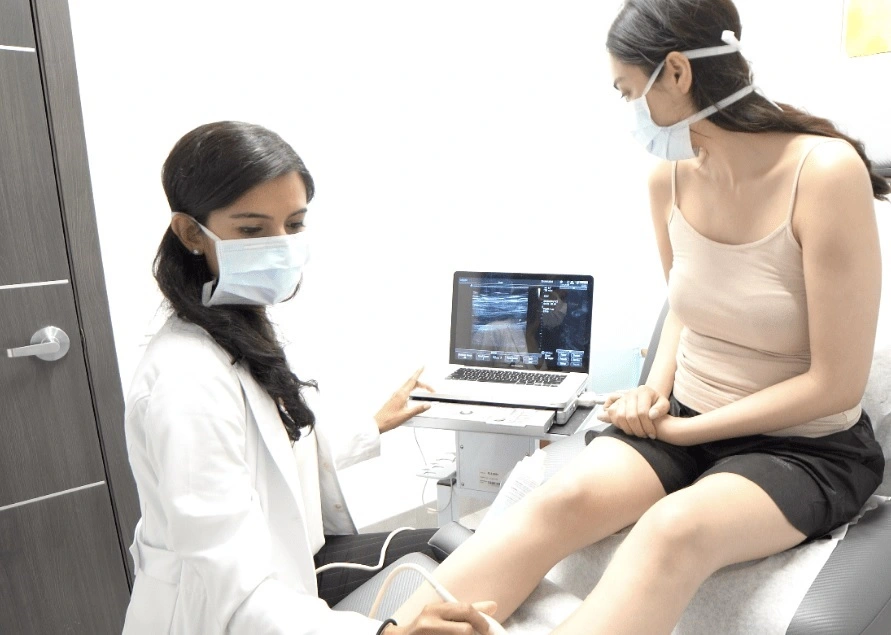
Duplex ultrasound is one of the most important diagnostic tools for evaluating varicose veins. This noninvasive test combines traditional ultrasound imaging with Doppler technology to examine vein structures and blood flow.
During the examination, a trained professional places a small ultrasound device against the skin. The device produces images that help specialists identify damaged valves, abnormal blood flow, and affected veins.
Duplex ultrasound also helps doctors detect venous reflux, which occurs when blood flows backward because vein valves fail to close properly.
The results allow specialists to develop a treatment plan based on the location and severity of the condition.
What Treatment Options Do Vein Doctors Recommend?
Treatment depends on the patient’s symptoms, ultrasound findings, medical history, and personal preferences.
Patients visiting a Vein Clinic New Jersey may receive recommendations for conservative management or minimally invasive procedures.
Common treatment options include:
- Compression stockings: These garments apply controlled pressure to the legs and help reduce swelling and discomfort.
- Sclerotherapy: Doctors inject a specialized solution into affected veins, causing them to close gradually.
- Endovenous laser treatment: Specialists use controlled laser energy to seal damaged veins.
- Radiofrequency ablation: This procedure uses heat energy to close veins affected by abnormal blood flow.
- Ambulatory phlebectomy: Doctors remove selected surface varicose veins through tiny skin openings.
These treatments address different types of vein problems. A specialist determines which approach offers the most appropriate balance of benefits and risks.
How Do Minimally Invasive Vein Treatments Work?
Modern vein procedures allow doctors to treat many varicose veins without traditional open surgery.
During endovenous ablation, specialists insert a thin catheter into the affected vein using ultrasound guidance. They deliver controlled energy that closes the damaged vessel.
Once the treated vein closes, blood naturally redirects through healthier veins.
Sclerotherapy works differently. Doctors inject a solution that irritates the vein lining, encouraging the vessel to close and gradually fade.
Many patients return to normal daily activities relatively quickly, although recovery instructions depend on the procedure.
VIP Medical Group emphasizes the importance of professional evaluation when patients explore their vein treatment options.
What Should Patients Expect After Varicose Vein Treatment?
Recovery varies according to the treatment method and the patient’s overall health.
Doctors may recommend walking regularly, avoiding prolonged inactivity, and wearing compression stockings for a specified period.
Some patients experience temporary bruising, tenderness, or swelling around treated areas. These effects often improve as the body heals.
Follow-up appointments allow specialists to monitor recovery and evaluate treatment results. Doctors may also perform ultrasound examinations when clinically appropriate.
Maintaining a healthy weight, exercising regularly, and moving frequently during the day can support circulation and help manage ongoing vein-related symptoms.
When Should Someone Visit a Vein Clinic in New Jersey?
People should consider professional vein evaluation when they experience persistent leg pain, swelling, visible bulging veins, or changes in skin color.
Symptoms that interfere with walking, sleeping, or daily activities also deserve medical attention.
Patients seeking a Vein Clinic New Jersey can explore diagnostic evaluations and individualized treatment options with qualified specialists.
Prompt evaluation becomes particularly important when veins develop bleeding, skin ulcers, or significant inflammation. Sudden one-sided leg swelling or pain requires urgent medical assessment because it may indicate a blood clot.
Why Is Early Diagnosis Important for Long-Term Vein Health?
Early diagnosis helps patients understand their condition and select appropriate treatment before symptoms become more difficult to manage.
Experienced Vein Doctors combine physical examinations, diagnostic ultrasound, and individualized treatment planning to address underlying circulation problems.
VIP Medical Group encourages patients to recognize vein-related symptoms and seek professional guidance rather than ignore persistent discomfort.
With timely medical attention, suitable treatment, and healthy daily habits, patients can manage varicose veins more effectively, improve leg comfort, and protect their long-term vascular health.

recommended for you



POPULAR CATEGORIES
ARCHIVES
-Advertisement-

SUBSCRIBE, SAVE & BE HAPPY
Be the first to know about new products, sales and specials!